Mejorar la documentación clínica y la atención al paciente
Escribanos médicos de IA Están cambiando la forma en que los psiquiatras documentan las visitas de sus pacientes. Estos asistentes digitales utilizan inteligencia artificial para escuchar las conversaciones médico-paciente y crear notas clínicas precisas sin intervención humana.
Los escribas médicos de IA pueden salvar a los psiquiatras hasta 3 horas diarias de tiempo de documentación, lo que les permite centrarse más en la atención al paciente en lugar del papeleo.

La tecnología funciona grabando sesiones de forma segura y convirtiendo la voz en texto, identificando al mismo tiempo información clínica importante. Esto ayuda a los psiquiatras a mantener registros exhaustivos, manteniendo el contacto visual y estableciendo una buena relación con los pacientes.
La IA aprende de cada interacción y, con el tiempo, se personaliza cada vez más según el estilo del médico.
Puntos Clave
- Los escribas médicos de IA reducen carga de documentación para los psiquiatras al tiempo que se mejora la calidad de las interacciones con los pacientes
- Estos sistemas mantienen estrictos estándares de privacidad de datos al tiempo que capturan con precisión información clínica esencial.
- La tecnología se adapta a las preferencias individuales de los proveedores y mejora continuamente mediante el aprendizaje automático.
El papel de la IA en la documentación psiquiátrica

Los escribas de IA son Transformando la documentación psiquiátrica Al automatizar la toma de notas durante las sesiones con los pacientes, estas herramientas de IA capturan las conversaciones entre psiquiatras y pacientes y las convierten en notas clínicas organizadas.
Los psiquiatras dedican aproximadamente entre el 30 % y el 40 % de su tiempo a tareas de documentación. Los escribas de IA reducen significativamente esta carga, lo que permite a los profesionales clínicos centrarse más en la atención al paciente que en tomar notas.
Las capacidades de integración de la HCE de los registradores de IA optimizan el flujo de trabajo de la documentación. Las notas se pueden cargar directamente a los sistemas de historiales médicos electrónicos, eliminando la necesidad de introducir manualmente los datos.
La IA en la documentación psiquiátrica ayuda a recopilar información detallada del paciente. La tecnología reconoce los síntomas, las conversaciones sobre la medicación y los planes de tratamiento mencionados durante las sesiones.
Principales beneficios de la documentación con IA en psiquiatría:
- Reducción del agotamiento del personal clínico
- Calidad y consistencia de las notas mejoradas
- Más tiempo cara a cara con los pacientes
- Disminución de la carga de trabajo administrativa
- Mejor recopilación de datos para la planificación del tratamiento
La precisión de la documentación clínica mejora con los escribas de IA. Estos sistemas aprenden de las correcciones y la retroalimentación, y con el tiempo se vuelven más precisos al capturar la terminología psiquiátrica.
La privacidad sigue siendo una prioridad en los sistemas de documentación de IA. Las soluciones modernas incorporan estrictos protocolos de seguridad para proteger la información confidencial de los pacientes que se comparte durante las sesiones psiquiátricas.
La adopción de escribas de IA en las consultas psiquiátricas está en aumento. A medida que la tecnología se vuelve más sofisticada, gestiona mejor la complejidad de las consultas y evaluaciones psiquiátricas.
Escribas médicos con IA e interacción con el paciente

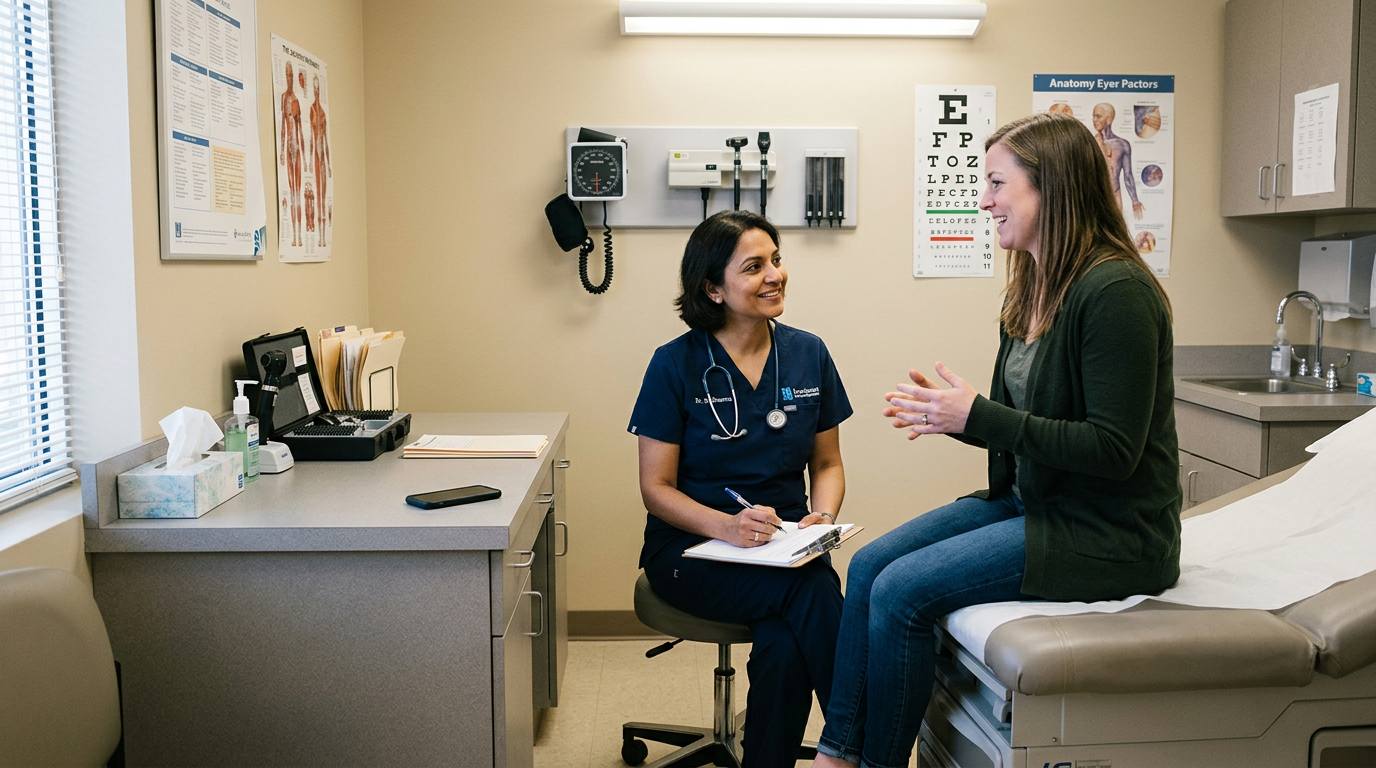
Los asistentes médicos con IA están transformando la interacción de los psiquiatras con los pacientes durante las sesiones. Estos asistentes digitales gestionan las tareas de documentación, lo que permite a los profesionales centrarse más en las necesidades de los pacientes y, al mismo tiempo, garantizar la precisión de los registros.
Mejorar la atención al paciente mediante la documentación en tiempo real
Los escribas médicos con IA capturan información clínica a medida que se desarrolla la conversación entre psiquiatras y pacientes. Esta documentación en tiempo real permite a los profesionales mantener contacto visual y una interacción más profunda con los pacientes, en lugar de escribir notas.
Los estudios muestran que los psiquiatras que utilizan escribas de inteligencia artificial pasan hasta un 30% más de tiempo interactuando directamente con los pacientes.
La tecnología funciona silenciosamente en segundo plano, transcribiendo conversaciones sobre síntomas, efectos de la medicación y planes de tratamiento. Este flujo de trabajo mejorado ayuda a los psiquiatras a detectar señales emocionales sutiles y lenguaje corporal que, de otro modo, podrían pasar desapercibidos.
Los pacientes a menudo informan mayor satisfacción Cuando su proveedor no está distraído con tareas de documentación. Una encuesta reveló que el 78 % de los pacientes sentía que su psiquiatra escuchaba con más atención al usar un asistente de IA.
Mantener la privacidad del paciente y fomentar la confianza
La privacidad es fundamental en la práctica psiquiátrica. Los modernos escritores de IA incorporan medidas de seguridad avanzadas para proteger la información confidencial del paciente.
Estos sistemas utilizan encriptación, almacenamiento seguro en la nube y controles de acceso estrictos para salvaguardar los datos de salud mental.
Los psiquiatras suelen informar a los pacientes sobre la presencia del asistente de IA al inicio de las sesiones. Esta transparencia fomenta la confianza y permite a los pacientes controlar su información.
Muchos escribas de IA están diseñados específicamente para entornos psiquiátricos, con cumplimiento integrado de la HIPAA y otras normativas de privacidad sanitaria. Pueden programarse para omitir cierta información sensible o marcarla para su revisión por parte del proveedor.
La confianza entre el paciente y el psiquiatra sigue siendo fundamental para un tratamiento eficaz. Los escritores de IA apoyan esta relación al garantizar una documentación precisa y permitir que... conexión humana floreciendo.
Eficiencia y personalización en la documentación clínica
Los escribas médicos con IA en psiquiatría mejoran los flujos de trabajo de documentación al adaptarse a las preferencias de los profesionales clínicos, manteniendo la precisión. Estas herramientas ofrecen automatización que ahorra tiempo y opciones de personalización que funcionan con los sistemas clínicos existentes.
Reducir la carga administrativa con escribas de IA
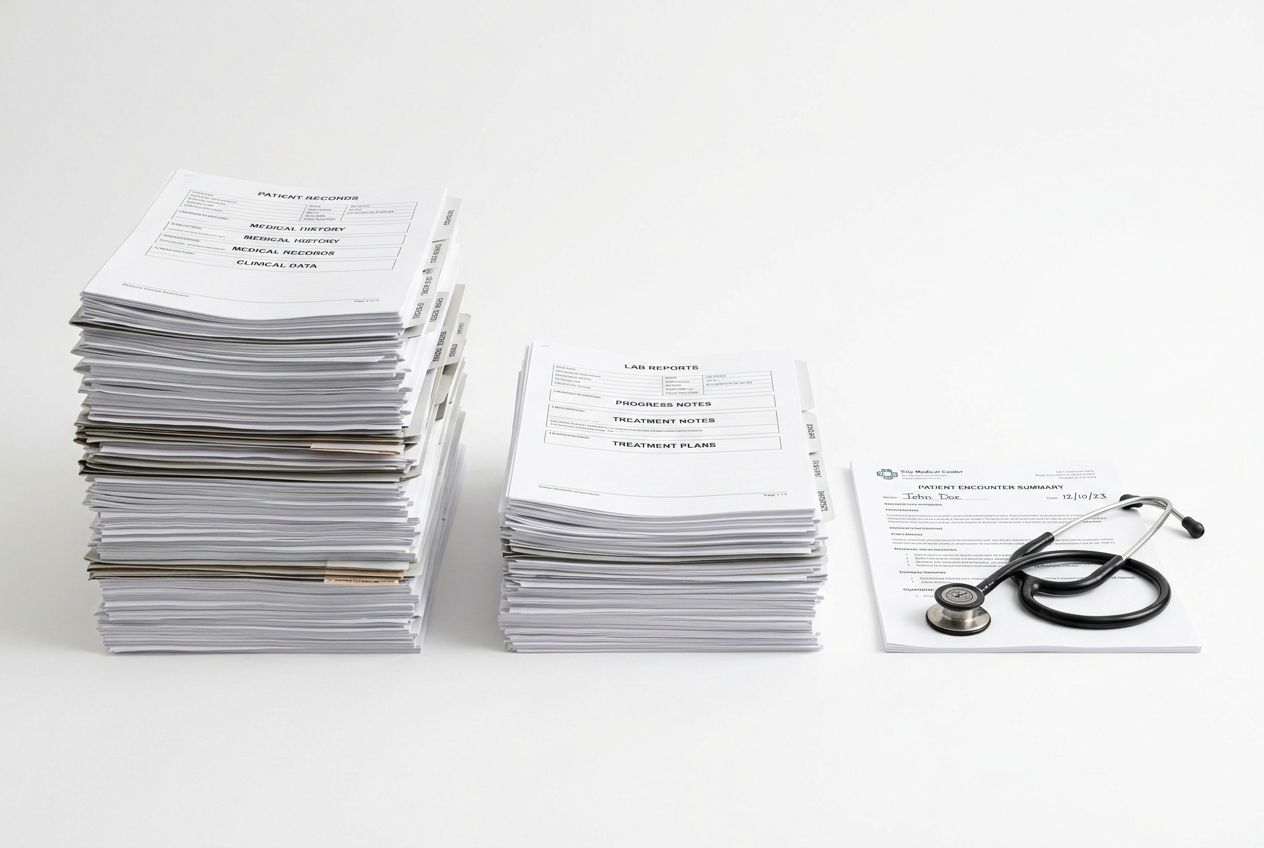
Los psiquiatras suelen dedicar de 1 a 2 horas a la documentación por cada hora que pasan con sus pacientes. Los registradores de IA reducen significativamente esta carga al generar automáticamente entradas de la HCE a partir de conversaciones clínicas.
Estas herramientas capturan y organizan la información del paciente en un formato estructurado. SOAP notas sin mecanografía manual.
El asistente de IA escucha durante las sesiones y convierte las conversaciones en notas completas del progreso. Esto permite a los psiquiatras mantener contacto visual con los pacientes en lugar de escribir en computadoras.
Los estudios demuestran que los escribas con IA pueden reducir el tiempo de documentación hasta en un 70 %. Esta eficiencia se traduce en atender a más pacientes o en una mejor conciliación de la vida laboral y personal.
La tecnología maneja tareas rutinarias de documentación mientras los médicos revisan y aprueban las notas finales, manteniendo precisión clínica y supervisión.
Automatiza la documentación de psiquiatría con Dorascribe
Si usted es un psiquiatra que busca... eliminar el estrés de la documentación y mejorar la atención al paciente, Dorascribe ofrece un Escriba médico con inteligencia artificial que cumple con la HIPAA Diseñado para profesionales de la salud mental.
- Comience hoy – Reduce el papeleo y céntrate en tus pacientes con Herramienta de documentación psiquiátrica impulsada por inteligencia artificial de Dorascribe.