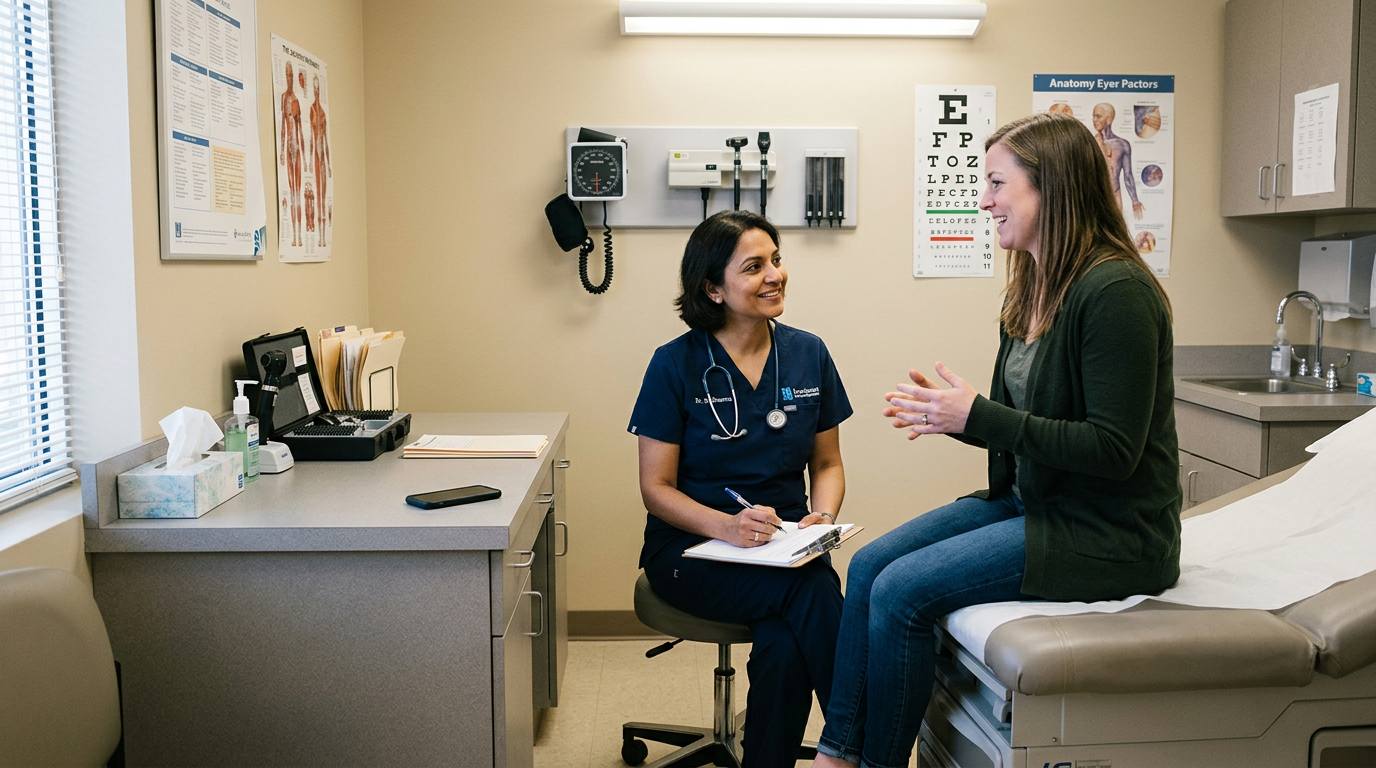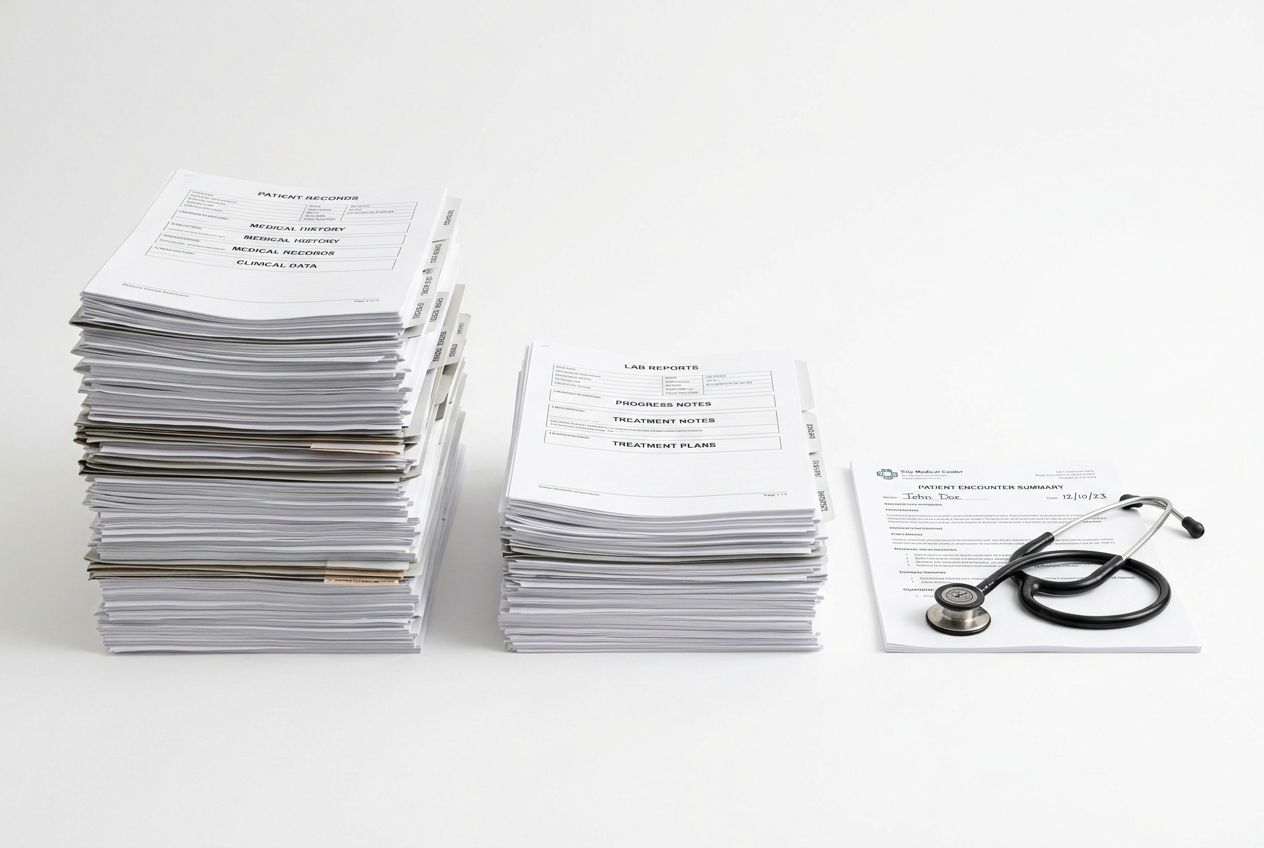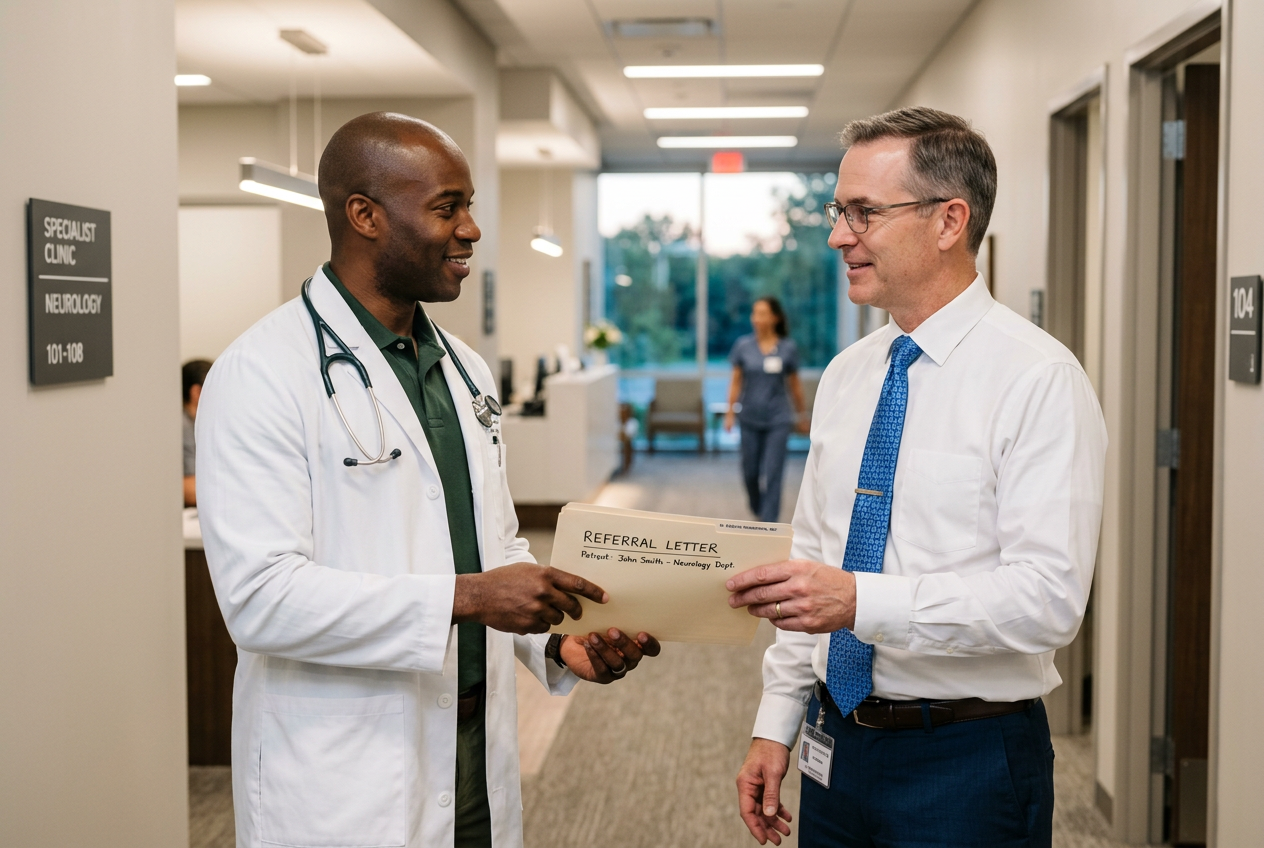
Las cartas de derivación son esenciales, pero también constituyen una de las partes más repetitivas de la documentación clínica. En muchas clínicas, la nota ya está terminada, pero la derivación aún debe redactarse por separado, resumirse y reformularse para el especialista.
Eso genera trabajo extra innecesario.
En 2026, la mejor estrategia no consiste en tratar las cartas de derivación como una tarea aparte, sino en elaborarlas a partir de la misma documentación clínica revisada que ya se obtuvo de la consulta. Cuando este flujo de trabajo se realiza correctamente, los médicos pueden generar derivaciones a especialistas más claras y rápidas sin duplicar trabajo ni perder el control.
¿Por qué las cartas de derivación siguen ralentizando las clínicas?
Una carta de derivación eficaz va más allá de un simple resumen de una consulta. Debe explicar el motivo de la derivación, los antecedentes relevantes, las intervenciones realizadas previamente y las evaluaciones o el tratamiento que se le solicitan al especialista receptor.
Eso suena sencillo, pero en la práctica a menudo significa reabrir el historial clínico, extraer información de la nota, decidir qué es importante y reescribirla en un formato diferente. Ese trabajo suele hacerse entre pacientes o más tarde ese día, lo que convierte las cartas de derivación en parte de la misma carga de documentación. trazado de gráficos fuera del horario habitual.
El problema no es que los médicos no tengan la información. El problema es que a menudo se ven obligados a reorganizarla manualmente.
¿Qué cambios habrá en 2026?
El verdadero cambio no reside simplemente en que "la IA redacta cartas de recomendación". El cambio radica en que la redacción de cartas de recomendación ahora puede integrarse en un flujo de trabajo de documentación más amplio.
Si el médico ya dispone de un borrador revisado de la nota clínica de la consulta, la carta de derivación no debe comenzar desde cero. Debe partir del mismo contexto clínico fundamental.
Por eso las mejoras en Notas médicas generadas por IA La información va más allá de la nota en sí. Una vez que la visita se ha registrado y revisado adecuadamente, este mismo material puede servir de base para otros documentos relacionados, como cartas de derivación, resúmenes de seguimiento y otros documentos rutinarios.
La ventaja es práctica: menos escritura repetitiva, estructura más consistente y respuesta más rápida en la comunicación con especialistas.
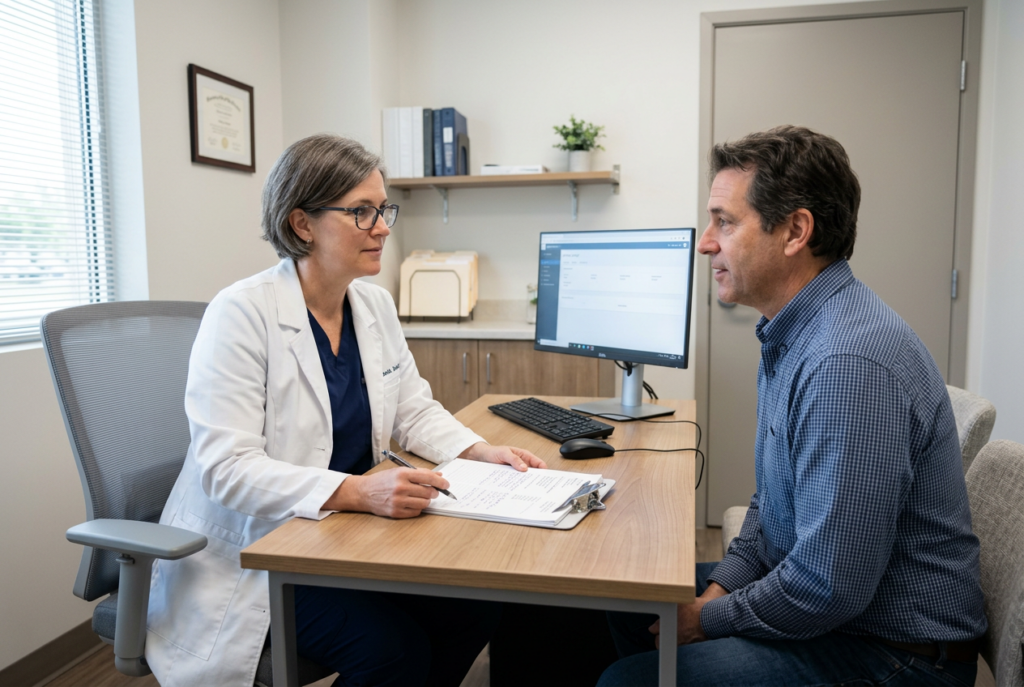
Así es como luce un buen flujo de trabajo de derivación asistido por IA.
El modelo más seguro y útil es simple:
encuentro → borrador de nota → revisión del clínico → borrador de derivación → aprobación del clínico
Esto es importante porque las cartas de derivación deben seguir siendo documentos controlados por el médico. La IA puede ayudar a organizarlas y redactarlas, pero no debe sustituir la revisión, el criterio ni la rendición de cuentas.
Un flujo de trabajo eficiente debería ayudar a los médicos:
- Extraer detalles relevantes de la nota revisada
- Mantenga la derivación centrada en el motivo de la derivación.
- reducir la copia y la reescritura
- hacer que el borrador sea más fácil de revisar y finalizar rápidamente
Esto está estrechamente relacionado con el valor de un escribano médico con IA en tiempo realEl objetivo no es simplemente tomar notas más rápido, sino reducir el trabajo de documentación que se realiza después de la visita.
Lo que los especialistas realmente necesitan de una derivación
Las mejores cartas de recomendación son claras, concisas y fáciles de implementar. En la mayoría de los casos, deben responder rápidamente a cinco preguntas:
1. ¿Por qué se remite a este paciente?
El motivo de la derivación debe quedar claro en las primeras líneas.
2. ¿Qué antecedentes son relevantes?
Incluya el historial clínico que respalde directamente la derivación, no el expediente completo.
3. ¿Qué se ha hecho ya?
Las pruebas, los tratamientos y las respuestas pertinentes ayudan a evitar la duplicación.
4. ¿Qué tan urgente es?
La urgencia debe indicarse claramente cuando exista.
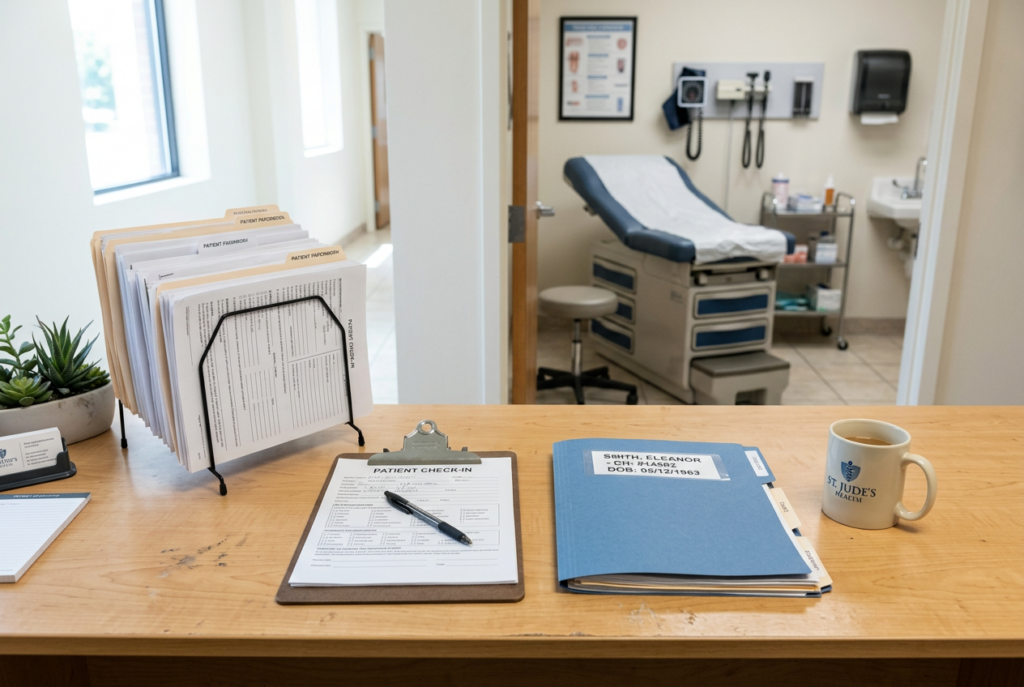
5. ¿Qué le está pidiendo al especialista que haga?
La solicitud debe ser específica, ya se trate de una evaluación, recomendaciones de tratamiento, evaluación de procedimientos o atención compartida.
Ahí es donde la IA puede ser útil. Puede ayudar a estructurar el borrador en torno a lo que realmente importa, en lugar de obligar a los médicos a reescribir todo desde cero.
Dónde siguen cometiendo errores las clínicas
Incluso con mejores herramientas, las cartas de recomendación pueden resultar ineficientes si el flujo de trabajo está mal configurado.
Los errores comunes incluyen:
- pegar grandes partes de la nota en la referencia
- dejar la pregunta de referencia demasiado vaga
- redactar la carta antes de que se haya revisado la nota
- utilizando el mismo formato para cada especialidad
- confiar en la automatización sin edición clínica
Estos problemas suelen formar parte de un problema operativo más amplio. Las clínicas pueden añadir herramientas de documentación, pero no siempre mejoran el proceso circundante. Por eso Brechas en la automatización del flujo de trabajo de atención médica Siguen siendo importantes. Las mejores herramientas solo ayudan cuando facilitan un mejor flujo de trabajo.
Cómo encaja Dorascribe en esto
Aquí es donde Dorascribe tiene una ventaja significativa como plataforma de documentación, en lugar de ser una función de propósito único.
Cuando la información de la consulta se registra con claridad y se convierte en un borrador estructurado, la nota puede servir de base para otros documentos clínicos. Esto incluye las cartas de derivación, lo que significa que los profesionales sanitarios dedican menos tiempo a reescribir información que ya han revisado.
Para las prácticas más pequeñas, esto es especialmente importante. Los equipos con apoyo administrativo limitado a menudo sienten el costo de la documentación repetitiva con mayor intensidad. Esa es una de las razones por las que la adecuación al flujo de trabajo es tan importante al elegir el El mejor escriba médico con IA para una pequeña consulta médica..
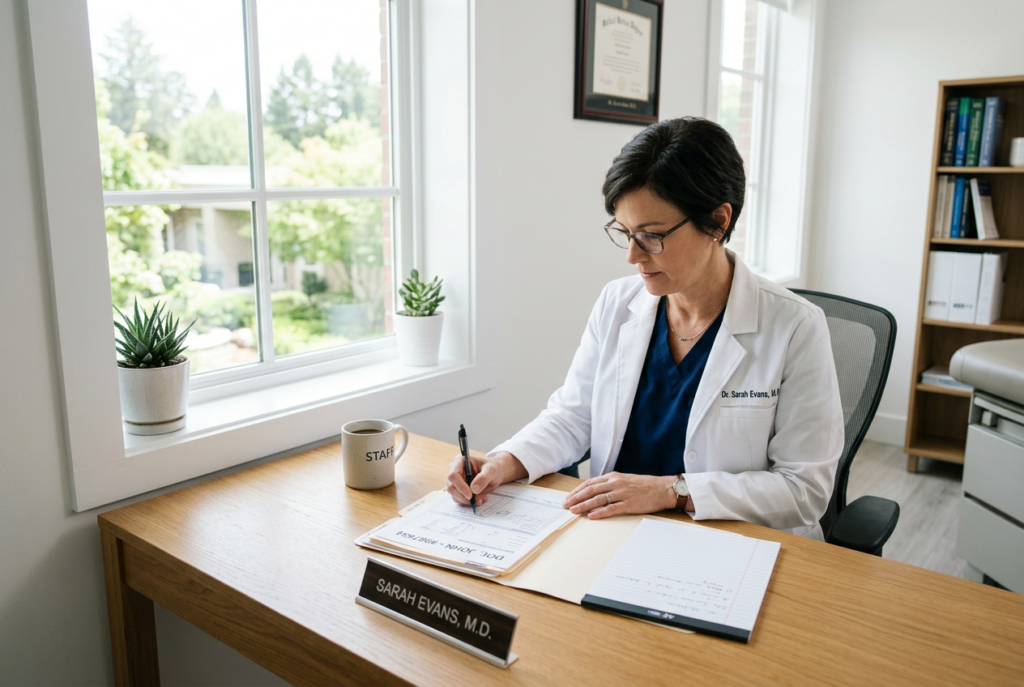
No ignores la confianza del paciente.
Las cartas de derivación suelen ser documentos entre profesionales sanitarios, pero el flujo de trabajo se desarrolla dentro de la relación con el paciente. Si la documentación asistida por IA forma parte de la consulta, los centros sanitarios deben estar preparados para explicar cómo se recopila, revisa y utiliza la información.
Una comunicación clara ayuda a reducir la incertidumbre y fomenta la confianza. Artículo de Dorascribe sobre Preguntas para hacerle a su médico sobre la grabación con IA Es un recordatorio útil de que la eficiencia en la documentación no debe ir en detrimento de la transparencia.
Reflexiones finales
Las cartas de derivación no deberían exigir a los médicos que repitan un trabajo que ya han realizado.
En 2026, el modelo más eficaz consiste en elaborar derivaciones a especialistas a partir de las notas clínicas revisadas y, posteriormente, dejar que el médico finalice el diagnóstico. Este enfoque reduce la duplicación de la documentación, mejora la coherencia y permite que las clínicas actúen con mayor rapidez sin perder el control.
El objetivo no es la automatización ciega, sino un mejor flujo de documentación.
Para las clínicas que ya utilizan notas con soporte de IA, la redacción de derivaciones es uno de los pasos más claros a seguir para mejorar la eficiencia de una manera práctica, específica y fácil de medir.