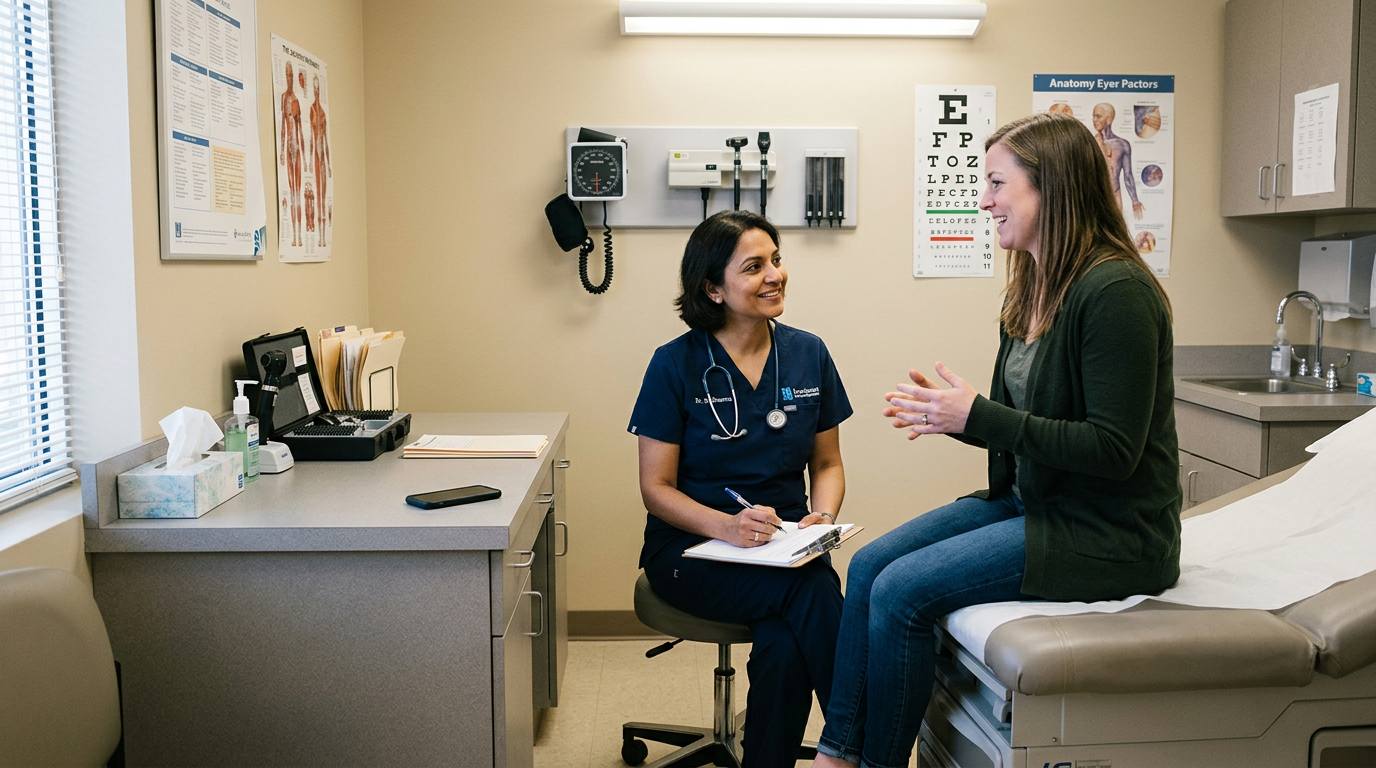
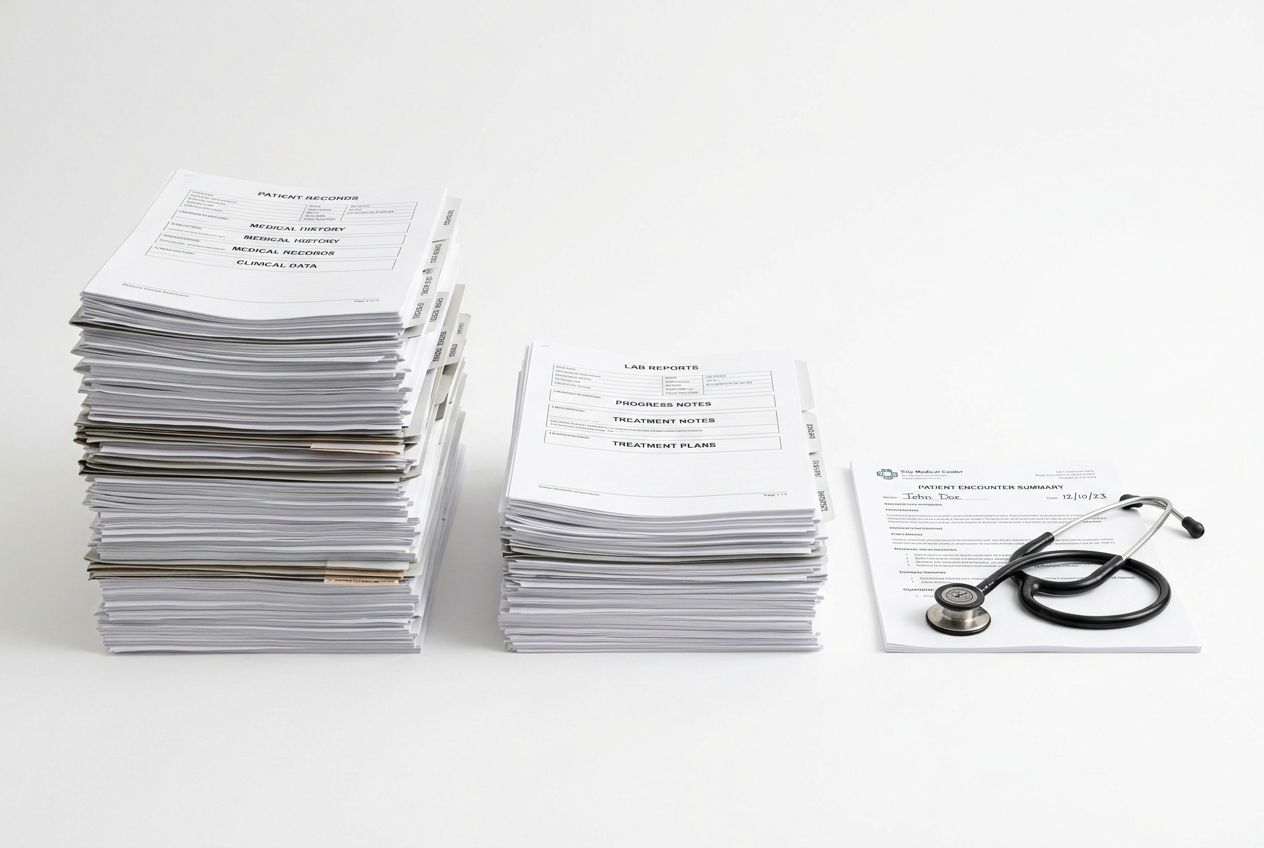
Dans un environnement médical en constante évolution, où le temps est un facteur essentiel et la précision est primordiale, la transcription médicale est devenue un outil essentiel pour optimiser les processus cliniques et améliorer les soins aux patients. La pratique de la transcription médicale a connu une évolution remarquable au fil du temps, passant de la documentation traditionnelle sur papier à une documentation sophistiquée dossier de santé électronique (DSE)des systèmes qui ont complètement changé la façon dont les professionnels de la santé saisissent et gèrent les données des patients.
L'histoire de la transcription médicale :
La prise de notes médicales trouve son origine dans la vieille habitude des médecins de prendre des notes lorsqu'ils consultent leurs patients. Dans le passé, les médecins enregistraient les antécédents médicaux, les résultats des examens et les plans de traitement des patients à l'aide de notes manuscrites. Cependant, la méthode de documentation manuscrite était souvent laborieuse et sujette à des erreurs, ce qui entraînait des inefficacités dans la prestation des soins.
Transition vers les dossiers de santé électroniques :
Le développement de la transcription médicale a connu un tournant majeur avec l' introduction des dossiers médicaux électroniques à la fin du 20e siècleLes systèmes de DSE offrent aux prestataires de soins de santé un moyen plus efficace et structuré d’enregistrer les informations des patients en remplaçant les dossiers papier traditionnels par des plateformes numériques. En réponse à cette révolution technologique, les secrétaires médicaux ont aidé les médecins à naviguer dans les interfaces des dossiers médicaux électroniques, ont saisi les données en temps réel et ont veillé à ce que les dossiers médicaux soient exacts et complets.
Le rôle des scribes médicaux aujourd'hui :
Dans les milieux de soins de santé contemporains, les scribes médicaux jouent un rôle rôle aux multiples facettes Dans les opérations cliniques, ils agissent en tant que membres essentiels de l'équipe de soins. Leurs responsabilités vont au-delà de la simple saisie de données pour inclure une gamme de tâches visant à maximiser la satisfaction des patients et la productivité des médecins. Parmi les responsabilités assumées par les scribes médicaux, on trouve :
- Aide documentaire : Les scribes médicaux travaillent en étroite collaboration avec les médecins pour enregistrer correctement et minutieusement les visites des patients. Les scribes améliorent l'efficacité et le rendement en permettant aux médecins de se concentrer davantage sur la fourniture de soins directs aux patients en prenant des informations importantes en temps réel.
- Optimisation du flux de travail : En organisant les dossiers des patients, en localisant les informations médicales pertinentes et en organisant les services supplémentaires, les scribes contribuent à rationaliser les opérations cliniques. Ils améliorent l'efficacité globale de la prestation des soins de santé en favorisant une communication fluide et une délégation du travail.
- Soutien clinique : En plus de s'occuper des tâches administratives, les secrétaires médicaux aident les médecins lors des visites des patients en leur offrant un soutien clinique pertinent. Ils libèrent du temps pour que les médecins puissent se concentrer sur l'évaluation diagnostique et la planification du traitement en les aidant à établir un rapprochement entre les médicaments, à prendre les antécédents médicaux et à documenter les examens physiques.
- Assurance Qualité: Les scribes médicaux sont essentiels pour maintenir l'exhaustivité et l'exactitude des dossiers médicaux, ce qui améliore la qualité des soins prodigués aux patients. Les scribes contribuent à préserver l'exactitude des dossiers médicaux et à faciliter la prise de décision clinique en vérifiant les dossiers pour déceler les erreurs ou les omissions et en apportant des éclaircissements sur les éléments ambigus.
Avancées technologiques et tendances futures :
L’évolution de la transcription médicale continue d’être stimulée par les avancées technologiques et les innovations dans le domaine des soins de santé. Avec l’essor des logiciels de reconnaissance vocale, du traitement du langage naturel et de l’intelligence artificielle, l’accent est de plus en plus mis sur l’exploitation de l’automatisation pour augmenter les capacités des scribes médicaux. Plateformes de traçage avancées équipés d’outils d’analyse prédictive et d’aide à la décision clinique, ils sont prêts à améliorer encore l’efficacité, la précision et les résultats cliniques.
De plus, La pandémie de COVID-19 a accéléré l’adoption de la transcription virtuelle et de la télémédecine, permettant aux scribes d’aider les professionnels de la santé à distance et d’élargir leur champ d’action au-delà des contextes cliniques conventionnels.
La transcription médicale devrait évoluer au rythme des soins de santé, devenant de plus en plus essentielle à la fourniture de traitements de haute qualité centrés sur le patient en raison de l'évolution des besoins des patients et des améliorations technologiques.
En conclusion, L'évolution de la transcription médicale reflète la quête permanente d'efficacité, de précision et d'excellence dans la prestation des soins de santé. De ses humbles débuts sous forme de notes manuscrites à son itération actuelle en tant que pratique numérique sophistiquée, la transcription médicale a subi une transformation remarquable, remodelant le paysage de la documentation clinique et de la gestion des flux de travail. À mesure que la technologie progresse et que les soins de santé évoluent, le rôle des scribes médicaux restera sans aucun doute indispensable, servant d'alliés de confiance aux médecins et de défenseurs des soins aux patients. Il s'agit d'un terrain familier et florissant pour Dorascribe, votre numéro 1 IA médicale fiable transcription de la parole en texte à laquelle vous pouvez faire confiance.
[/ Et_pb_text] [/ et_pb_column] [/ et_pb_row] [/ et_pb_section]