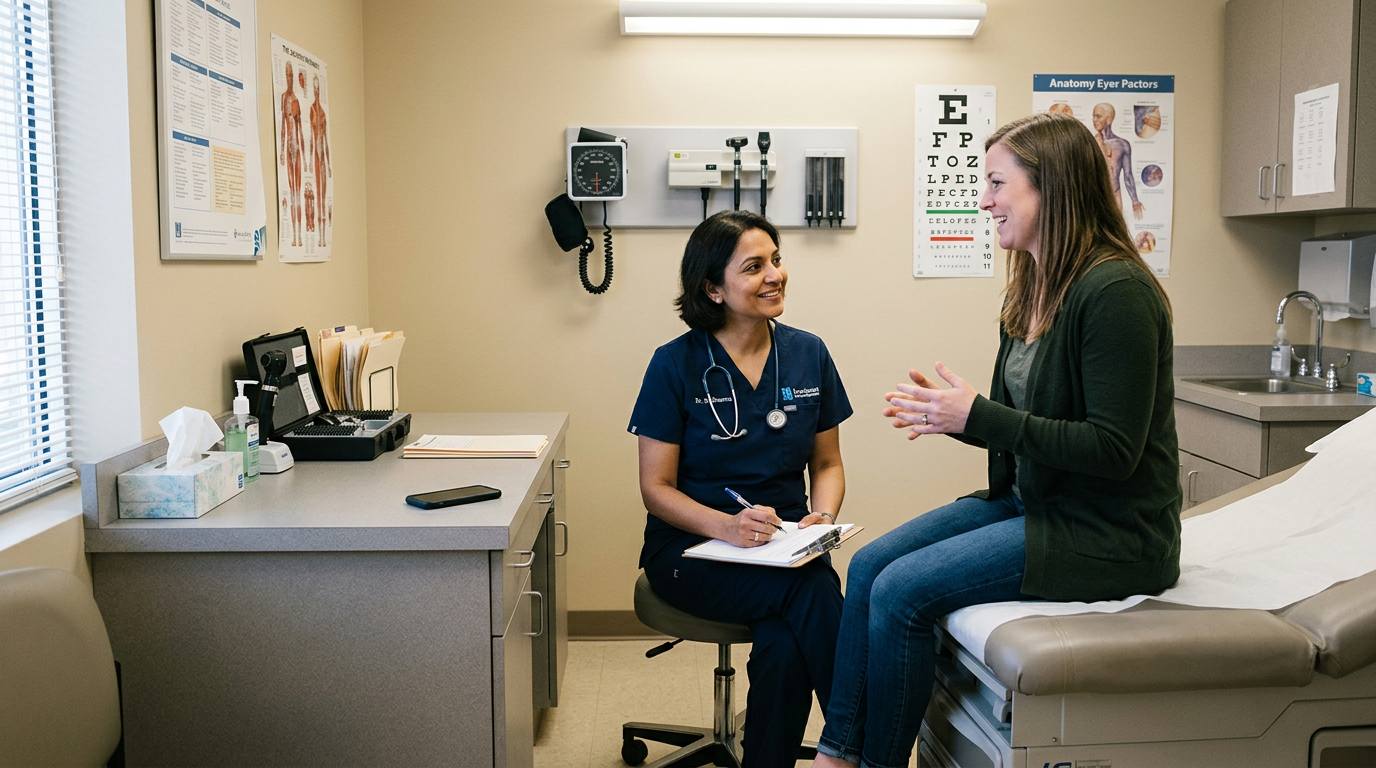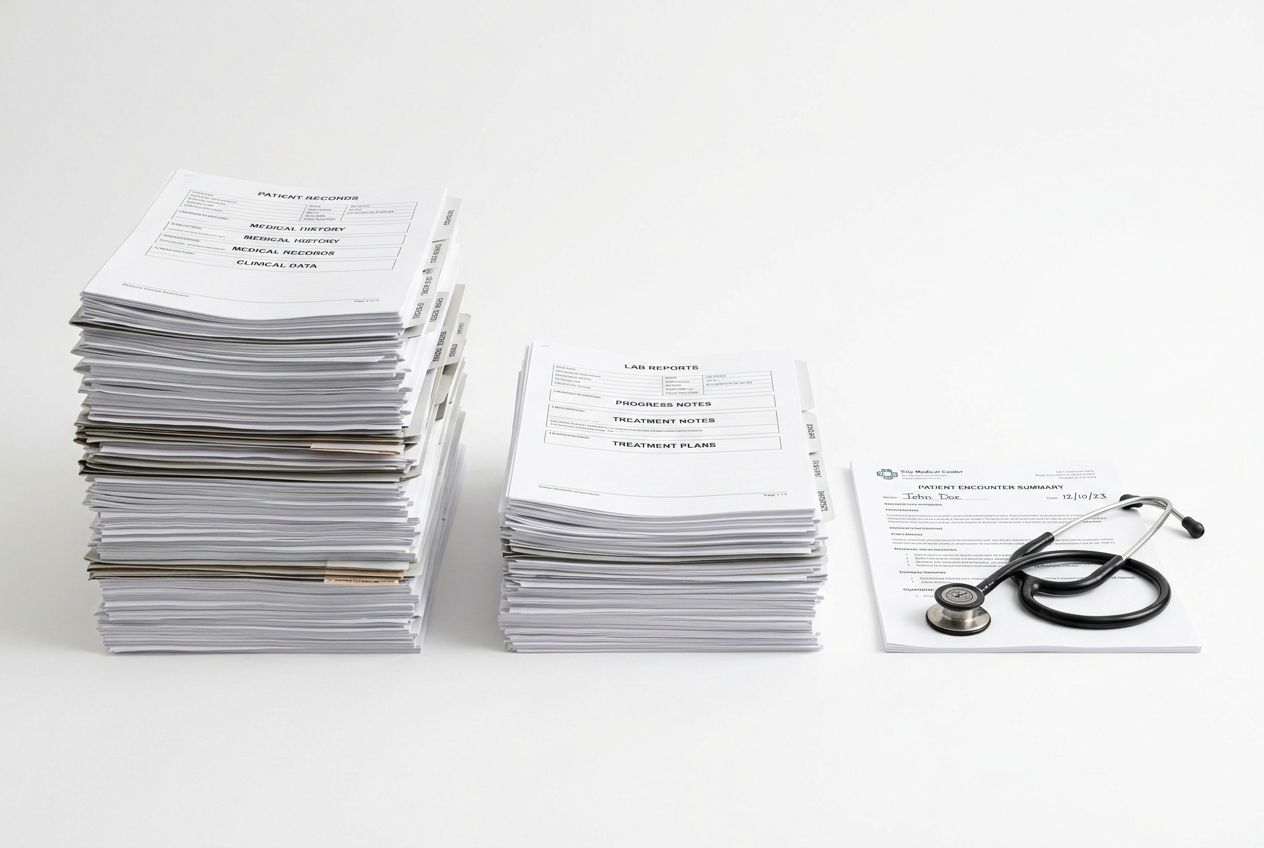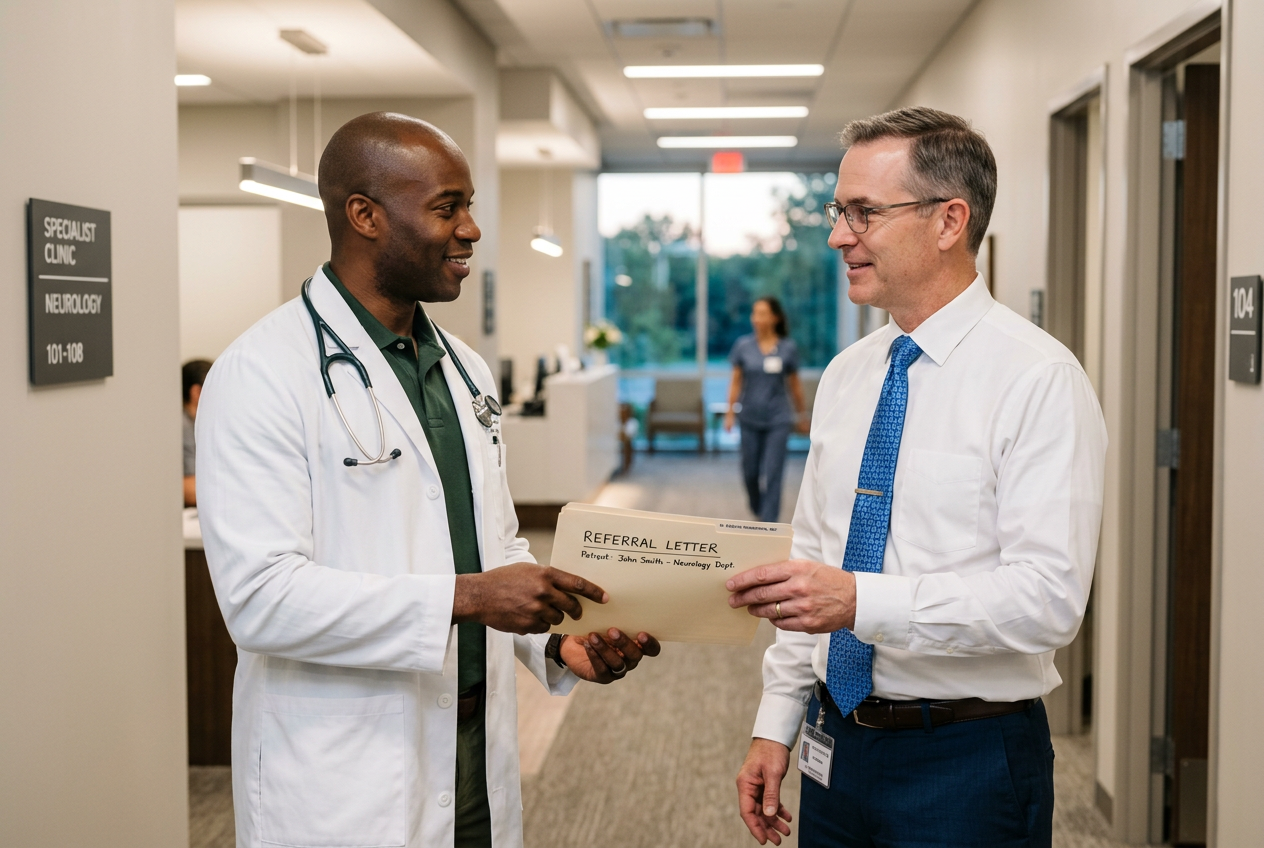
As cartas de encaminhamento são essenciais, mas também representam uma das partes mais repetitivas da documentação clínica. Em muitas clínicas, o prontuário já está finalizado, mas o encaminhamento ainda precisa ser redigido separadamente, condensado e reformulado para o especialista.
Isso gera trabalho extra desnecessário.
Em 2026, a melhor abordagem não será tratar as cartas de encaminhamento como uma tarefa separada, mas sim elaborá-las a partir da mesma documentação clínica já revisada da consulta. Quando esse fluxo de trabalho é bem executado, os médicos podem criar encaminhamentos para especialistas mais claros e com maior rapidez, sem duplicar trabalho ou perder o controle.
Por que as cartas de encaminhamento ainda atrasam as clínicas?
Uma carta de encaminhamento eficaz vai além de um simples resumo da consulta. Ela precisa explicar o motivo do encaminhamento do paciente, o histórico relevante, os procedimentos já realizados e o que o especialista responsável deverá avaliar ou tratar.
Isso parece simples, mas na prática muitas vezes significa reabrir o prontuário, extrair informações da anotação, decidir o que importa e reescrevê-la em um formato diferente. Esse trabalho geralmente ocorre entre os pacientes ou mais tarde no mesmo dia, o que faz com que as cartas de encaminhamento façam parte da mesma carga de documentação. mapeamento fora do horário comercial.
A questão não é que os médicos não tenham a informação. A questão é que muitas vezes são obrigados a reestruturá-la manualmente.
O que mudará em 2026?
A verdadeira mudança não é simplesmente "a IA redigir cartas de encaminhamento". A mudança reside no fato de que a elaboração de cartas de encaminhamento agora pode ocorrer dentro de um fluxo de trabalho de documentação mais amplo.
Se o médico já tiver um rascunho revisado da consulta, a carta de encaminhamento não deve começar do zero. Ela deve partir do mesmo contexto clínico central.
É por isso que melhorias em Atestados médicos gerados por IA vai além da própria anotação. Uma vez que a visita tenha sido devidamente registrada e analisada, o mesmo material pode servir de base para outros documentos, como cartas de encaminhamento, resumos de acompanhamento e outros documentos de rotina.
A vantagem é prática: menos digitação repetida, estrutura mais consistente e resposta mais rápida em comunicações especializadas.
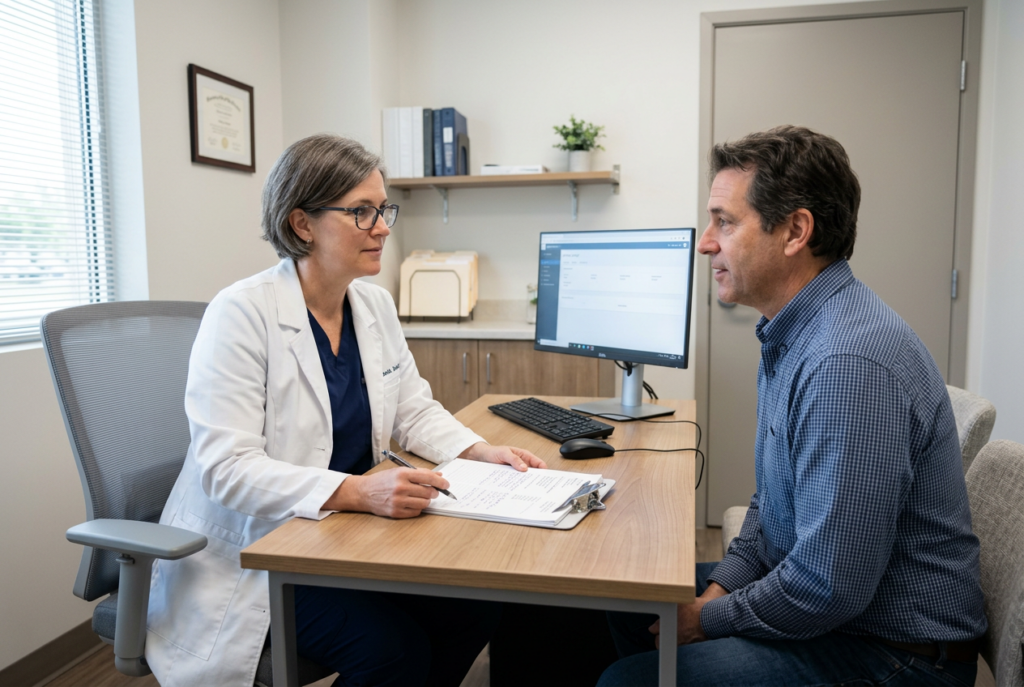
Como seria um bom fluxo de trabalho de encaminhamento assistido por IA?
O modelo mais seguro e útil é simples:
Consulta → rascunho da nota → revisão clínica → rascunho do encaminhamento → aprovação clínica
Isso é importante porque as cartas de encaminhamento devem permanecer documentos controlados pelo médico. A IA pode ajudar a organizá-las e redigi-las, mas não deve substituir a revisão, o julgamento ou a responsabilidade.
Um fluxo de trabalho eficiente deve ajudar os médicos:
- Extraia os detalhes relevantes da nota analisada.
- Mantenha o encaminhamento focado no motivo da solicitação.
- reduzir a cópia e a reescrita
- tornar o rascunho mais fácil de revisar e finalizar rapidamente.
Isso está intimamente relacionado ao valor de um Assistente médico de IA em tempo realO objetivo não é apenas agilizar a captura de anotações. É reduzir o trabalho de documentação que continua após a consulta.
O que os especialistas realmente precisam de um encaminhamento
As melhores cartas de recomendação são claras, concisas e fáceis de usar. Na maioria dos casos, elas devem responder rapidamente a cinco perguntas:
1. Por que este paciente está sendo encaminhado?
O motivo do encaminhamento deve estar claro nas primeiras linhas.
2. Qual é o contexto relevante?
Inclua o histórico clínico que justifique diretamente o encaminhamento, e não o prontuário inteiro.
3. O que já foi feito?
Testes, tratamentos e respostas relevantes ajudam a evitar duplicação.
4. Qual é a urgência?
A urgência deve ser claramente declarada quando existir.
5. O que você está pedindo ao especialista para fazer?
O pedido deve ser específico, seja para avaliação, recomendações de tratamento, avaliação de procedimento ou atendimento compartilhado.
É aí que a IA pode ser útil. Ela pode ajudar a estruturar o rascunho em torno do que importa, em vez de obrigar os médicos a reescrever tudo do zero.
Onde as clínicas ainda erram
Mesmo com ferramentas melhores, as cartas de recomendação ainda podem se tornar ineficientes quando o fluxo de trabalho está mal configurado.
Erros comuns incluem:
- colar grandes partes da nota no encaminhamento
- Deixar a pergunta sobre o encaminhamento muito vaga
- redigir a carta antes que a nota tenha sido revisada.
- usando o mesmo formato para cada especialidade
- confiar na automação sem revisão clínica
Esses problemas geralmente fazem parte de uma questão operacional maior. As clínicas podem adicionar ferramentas de documentação, mas isso nem sempre melhora o processo subjacente. É por isso que lacunas na automação do fluxo de trabalho na área da saúde Ainda importam. Ferramentas melhores só ajudam quando contribuem para um fluxo de trabalho melhor.
Como o Dorascribe se encaixa nisso
É aqui que o Dorascribe tem uma vantagem significativa como plataforma de documentação, em vez de uma funcionalidade com um único propósito.
Quando as informações da consulta são registradas com clareza e transformadas em um rascunho estruturado, a anotação pode se tornar a base para outros documentos clínicos. Isso inclui cartas de encaminhamento, o que significa que os médicos gastam menos tempo reescrevendo informações que já revisaram.
Para consultórios menores, isso é especialmente importante. Equipes com suporte administrativo limitado costumam sentir o custo da documentação repetitiva de forma mais acentuada. Essa é uma das razões pelas quais a adequação do fluxo de trabalho é tão importante na hora de escolher a melhor opção. Melhor assistente médico com IA para pequenas clínicas.
Não ignore a confiança do paciente.
As cartas de encaminhamento são, em sua maioria, documentos entre médicos, mas o fluxo de trabalho ainda se baseia na relação com o paciente. Se a documentação com suporte de IA fizer parte da consulta, os consultórios devem estar preparados para explicar como as informações são coletadas, revisadas e utilizadas.
A comunicação clara ajuda a reduzir a incerteza e fortalece a confiança. Artigo da Dorascribe sobre Perguntas a fazer ao seu médico sobre gravação por IA É um lembrete útil de que a eficiência da documentação não deve comprometer a transparência.
Considerações finais
As cartas de encaminhamento não devem exigir que os médicos refaçam trabalhos que já realizaram.
Em 2026, o modelo mais robusto consiste em elaborar encaminhamentos para especialistas a partir de prontuários clínicos revisados, permitindo que o médico finalize o parecer. Essa abordagem reduz a necessidade de documentação repetida, melhora a consistência e permite que as clínicas atuem com mais rapidez sem perder o controle.
O objetivo não é a automação cega, mas sim um fluxo de documentação mais eficiente.
Para clínicas que já utilizam prontuários com suporte de IA, a elaboração de encaminhamentos é um dos próximos passos mais claros para melhorar a eficiência de uma forma prática, específica e fácil de mensurar.