SOAP notes remain one of the most familiar structures in clinical documentation. The format is simple: subjective, objective, assessment, and plan. But producing a clear SOAP note after every encounter can still take significant time, especially when clinicians are moving quickly between visits.
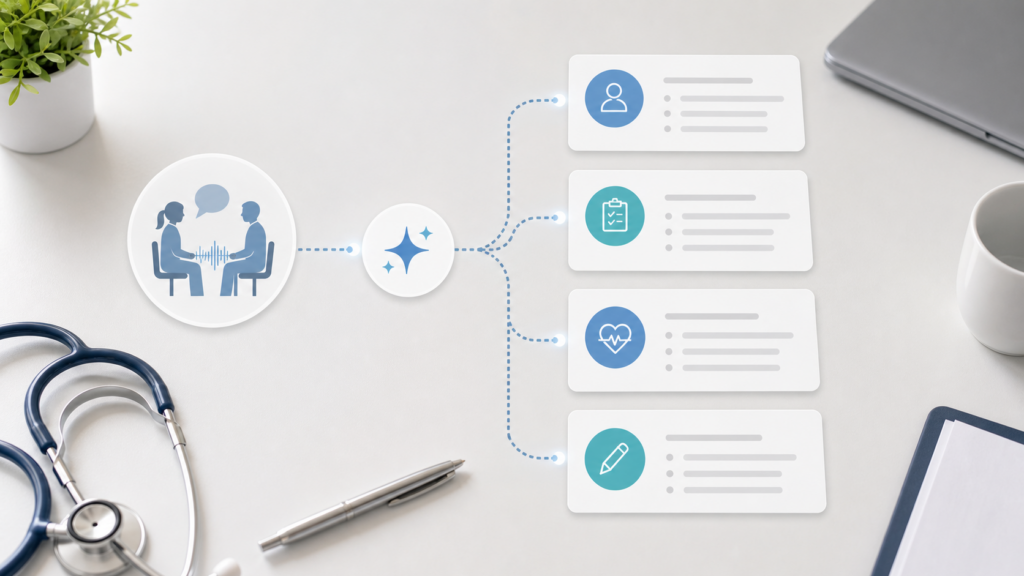
Automated SOAP notes use AI-assisted documentation to turn a clinical conversation into a structured draft. The goal is not to replace clinical judgment. The goal is to reduce typing, organize the encounter, and give the clinician a note that is easier to review. For a broader overview of AI-generated clinical documentation, see Dorascribe’s guide to AI-generated doctors’ notes.
What automated SOAP notes should do
A useful AI SOAP note should do more than transcribe words. It should separate the encounter into clinically meaningful sections and preserve the information needed for continuity of care.
At minimum, clinicians should expect:
- A subjective section that captures the patient’s history and reported symptoms.
- An objective section that reflects documented observations, vitals, exam findings, or test results when provided.
- An assessment section that summarizes the clinician’s interpretation.
- A plan section with next steps, treatment, investigations, referrals, patient instructions, and follow-up.
The draft should be concise enough to review quickly but complete enough to support the clinical record.
Where AI helps most
SOAP notes are predictable, which makes them a strong use case for AI-assisted drafting. Many visits follow a repeatable rhythm: symptoms, context, exam, assessment, and next steps.
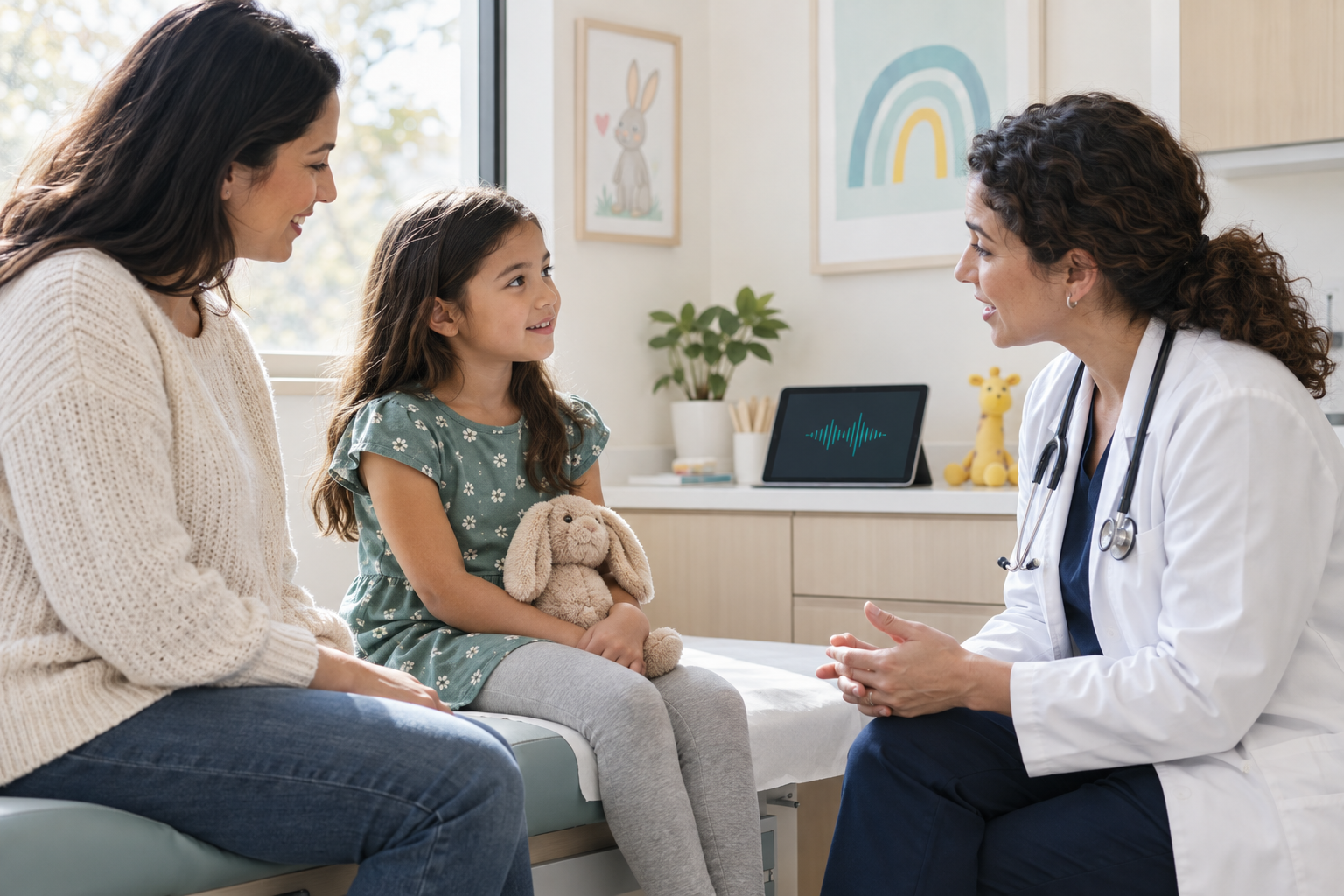
A real-time AI medical scribe can help by capturing key details during the visit, organizing the note, and reducing the need for clinicians to reconstruct the encounter later. This is especially useful for busy clinic days when the difference between finishing a note now and finishing it tonight can be significant.
AI can be especially helpful for:
- Routine follow-up visits.
- Medication reviews.
- Chronic disease management.
- Allied health progress notes.
- Mental health follow-ups.
- Primary care visits with multiple concerns.
What clinicians still need to review
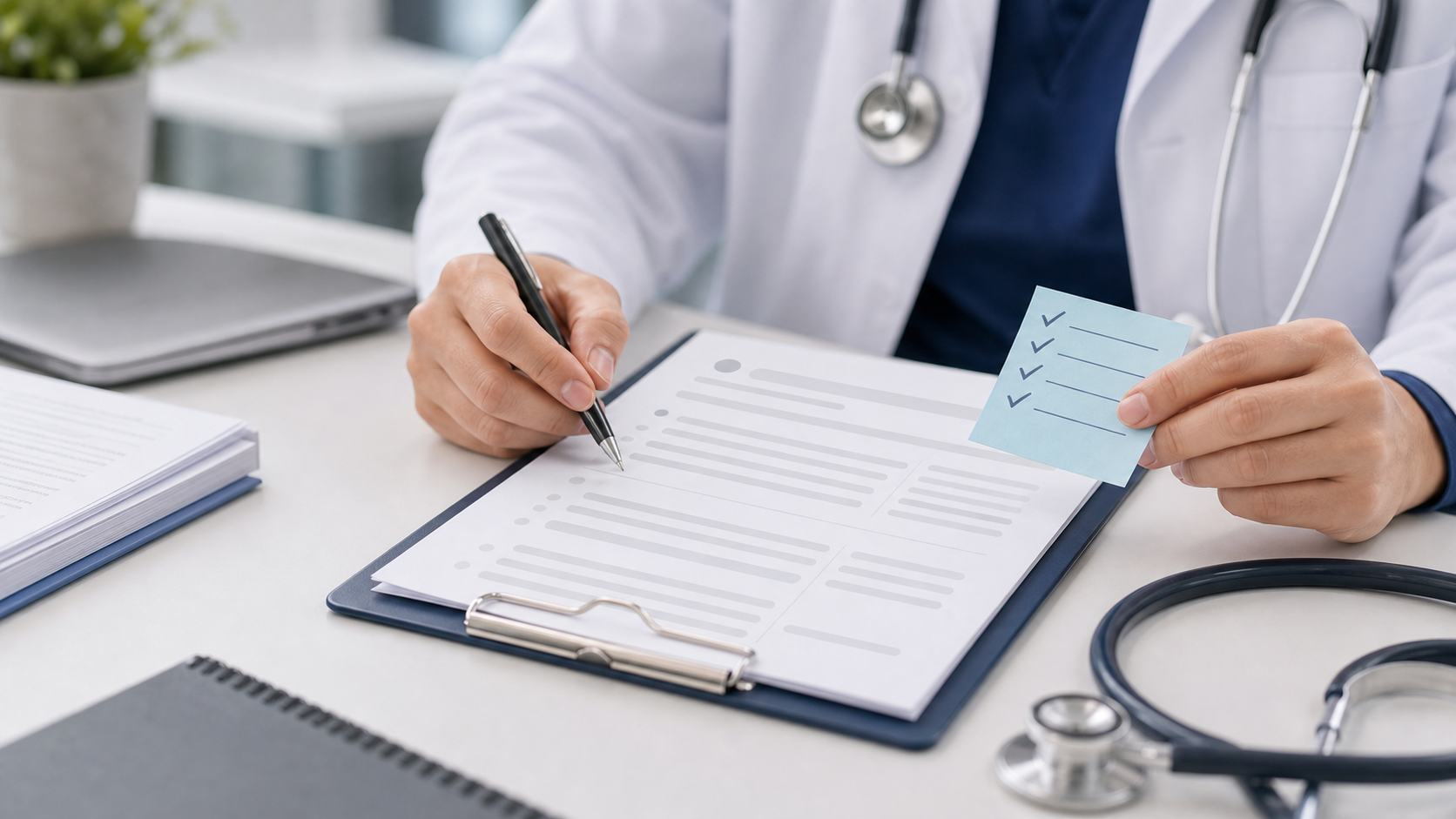
Automated SOAP notes should always be treated as drafts. Even a strong AI scribe can miss context, overstate certainty, or place information in the wrong section.
Before signing, clinicians should check:
- Patient identity and visit context.
- Medication names, doses, allergies, and changes.
- Laterality, dates, values, and measurements.
- Whether objective findings were actually observed or provided.
- Whether the assessment reflects clinical judgment accurately.
- Whether the plan is specific enough for follow-up care.
- Whether any unsupported or irrelevant details should be removed.
This review step is not a weakness of AI documentation. It is part of safe clinical practice.
Why templates still matter
Automated SOAP notes work best when the structure matches the visit type. A generic SOAP note may be acceptable for simple visits, but specialty workflows often need more specific headings, phrasing, or sections. Dorascribe’s article on custom note templates explains why visit-type templates can make AI documentation more useful.
For example, a physiotherapy SOAP note may need functional goals and home exercise details. A psychiatry note may need risk assessment and mental status elements. A primary care chronic disease visit may need medication adherence, investigations, and follow-up intervals.

What automated SOAP notes should avoid
The best automated SOAP notes are clear and proportionate. They should not turn every routine visit into a long generic document. Overly broad templates can make notes harder to read and may bury the information another clinician needs first.
Clinicians should watch for common problems:
- Objective findings placed in the subjective section.
- Generic normal exam language that was not actually assessed.
- Plans that sound complete but lack timing or responsibility.
- Long copied sections that do not apply to the current visit.
- Assessment wording that does not match the clinician’s decision-making.
A good AI scribe should make the note easier to review, not harder. If clinicians repeatedly remove the same wording, the template should be adjusted.
SOAP notes vs referral letters
SOAP notes are not the only structured output clinicians need. Sometimes the note is complete, but the next task is turning the encounter into a clear referral. In those cases, an AI documentation workflow should help convert clinical context into a concise specialist letter. Dorascribe covers this in its guide to AI referral letters.
The best workflow lets clinicians move from encounter note to next clinical document without rewriting the same information repeatedly.
The bottom line
Automated SOAP notes can save time when they are structured, editable, and clinically reviewable. In 2026, clinicians should expect more than basic transcription. They should expect a draft note that reflects the encounter, follows the right format, and supports faster documentation without removing clinician control.
Dorascribe is designed to help clinicians create structured notes that can be reviewed, edited, and adapted to real workflows. The result should be less time typing and more time focused on patient care.