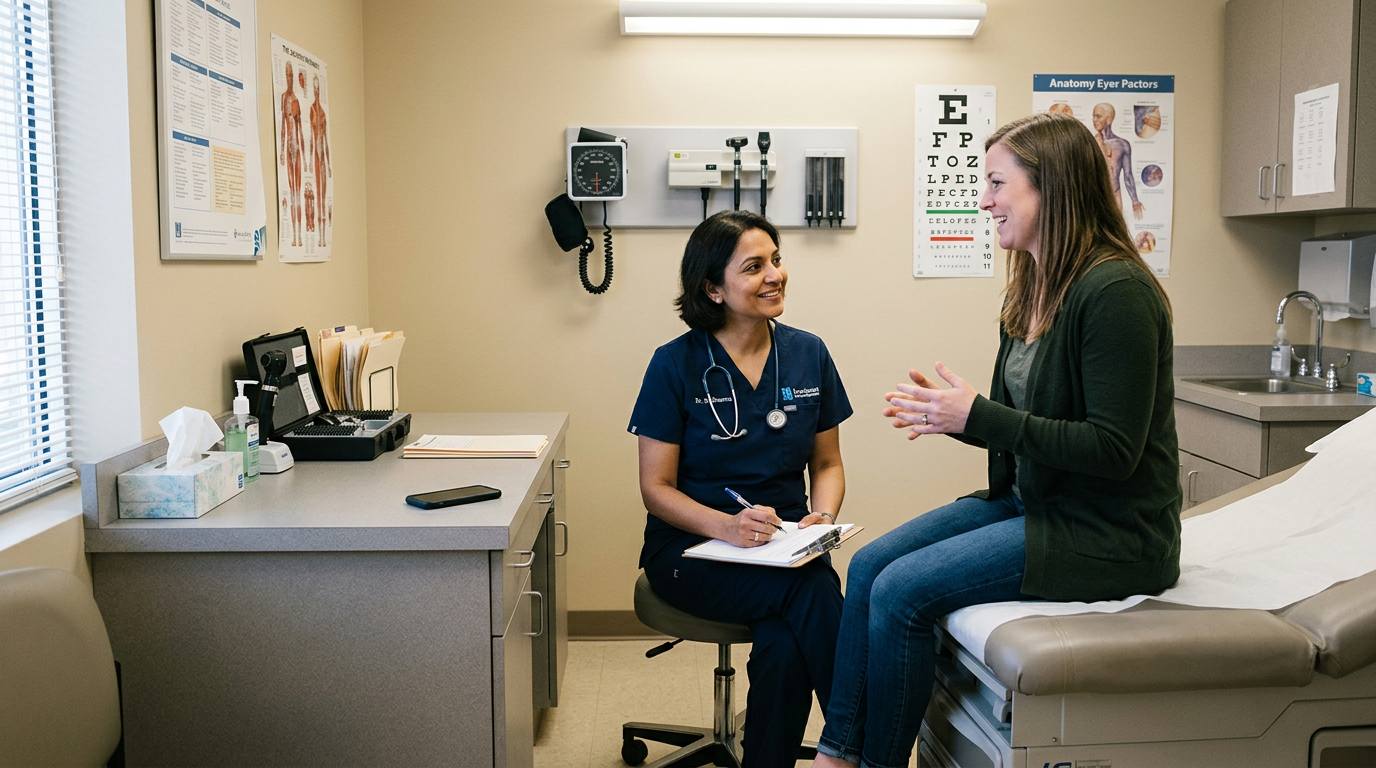
No specialty in medicine sees more patients per day than general practice. That volume is exactly what makes GPs essential — and exactly what makes their documentation burden disproportionate to any other role in the clinic.
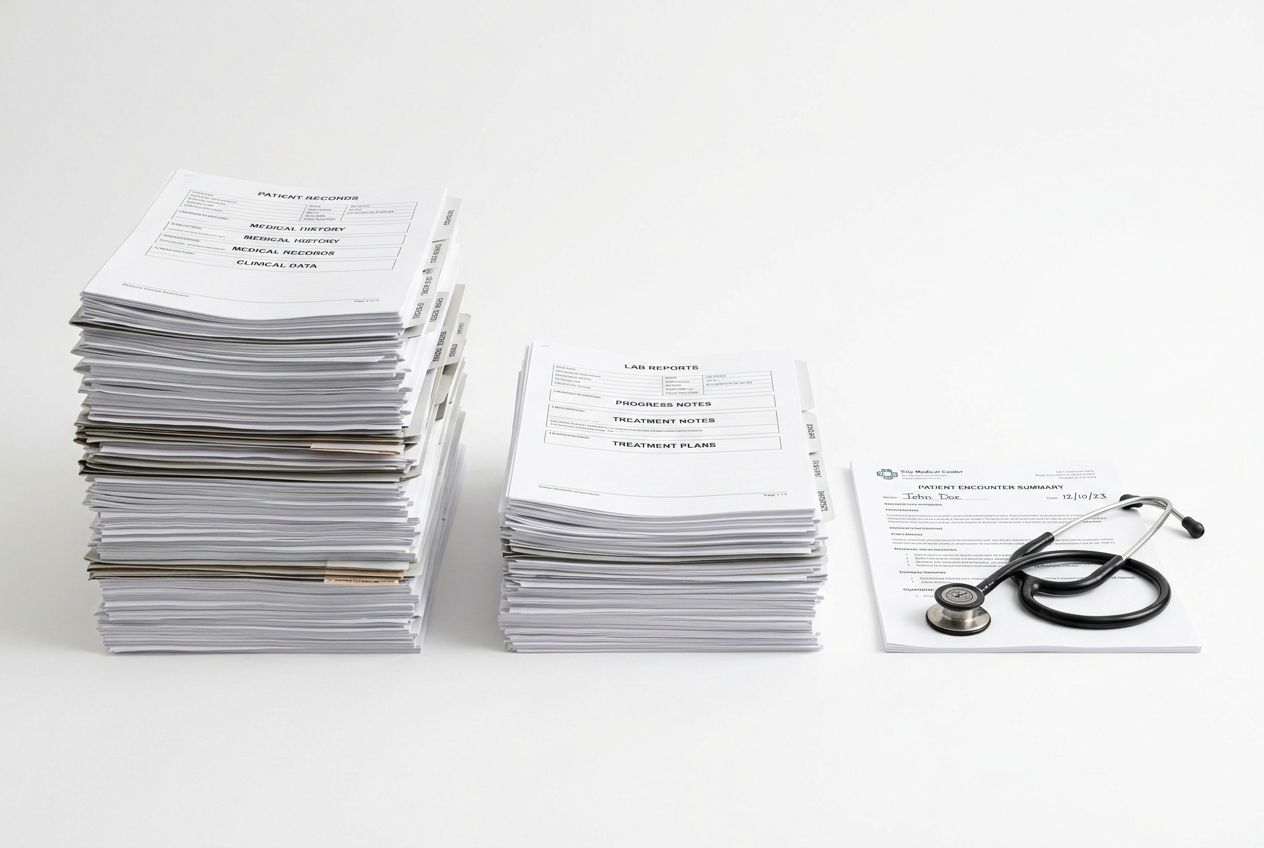
A busy GP may see 25 to 40 patients in a single working day. Each encounter generates a clinical note. Most take five to ten minutes to write properly. That adds up to hours of documentation work that does not appear on the appointment schedule and does not stop when the last patient leaves.
AI scribes address this directly. In 2026, general practitioners who have adopted AI-assisted documentation are consistently reporting fewer hours spent charting, less after-hours documentation, and more cognitive bandwidth during consultations. This guide explains how to evaluate these tools for a GP setting and what to look for when choosing one.
Why GPs Feel the Documentation Burden Most
The documentation problem in general practice is structural. GPs manage the broadest clinical scope of any specialty — from acute illness and chronic disease management to mental health, preventive care, and complex polypharmacy — often within 10 to 15 minute appointments.
That breadth means clinical notes have to be complete and accurate across a wide range of conditions. A note from a GP visit may need to capture a presenting complaint, relevant history, examination findings, differential diagnosis, management plan, prescriptions, and follow-up instructions — all in a format that is legible for the next clinician who opens the chart.
When that work spills past clinic hours, it creates a compounding problem. The clinician is tired. Recall is declining. Notes get shorter than they should be, or they get written from memory rather than from a live encounter. Neither outcome is good for the record or the patient.
What Makes AI Scribing Different for General Practice
General practice has specific requirements that not every AI scribe handles well.
Volume
In a high-volume GP clinic, the AI scribe has to keep pace. It needs to process encounters quickly and produce draft notes that are ready to review before the next patient is called. Tools that require significant post-processing or editing time are not practical in this context.
Clinical breadth
GPs see everything. The AI model behind the scribe needs to handle diverse clinical content accurately — not just common presentations but also nuanced chronic disease management, mental health conversations, and complex social histories. Narrow tools built around a specific specialty will underperform in a GP setting.
Note length and structure
Different GPs use different note formats. Some use SOAP, some use problem-oriented notes, some use free text with structured headings. A good AI scribe for GPs should be configurable to match the clinician’s existing format, not the other way around.
Multilingual patients
GPs in metropolitan areas frequently see patients whose first language is not the language of the clinic. Multilingual transcription — the ability to capture a consultation spoken in mixed languages and produce a note in the clinical language — is increasingly important in general practice and not a capability all tools offer.
What to Look for in an AI Scribe for General Practice
Real-time ambient recording
The best AI scribes capture the encounter as it happens, without requiring the GP to dictate separately. The clinician speaks with the patient naturally, and the AI generates a structured note from that conversation. No additional workflow step, no delay after the consult.
Custom note templates
Every GP has a preferred documentation format. Custom note templates let you define the structure once — and the AI produces every note in that format. This is critical for practices that have established documentation standards or that need to meet specific EMR formatting requirements.
Fast generation
In a 10-minute appointment, notes need to be ready within seconds of the consult ending, not minutes. Speed is not a luxury feature for GPs — it is a core requirement.
Smart editing tools
Draft notes will occasionally need adjustment. Good AI scribes make the editing process fast — voice-to-text additions, inline corrections, and the ability to regenerate specific sections without rewriting the whole note. The editing experience matters as much as the initial draft quality.
HIPAA compliance and data security
Patient health information is involved in every encounter. Any AI scribe used in a GP clinic must be HIPAA-compliant and ideally PIPEDA or GDPR-compliant if the practice operates in Canada or Europe. Always confirm a Business Associate Agreement is available.
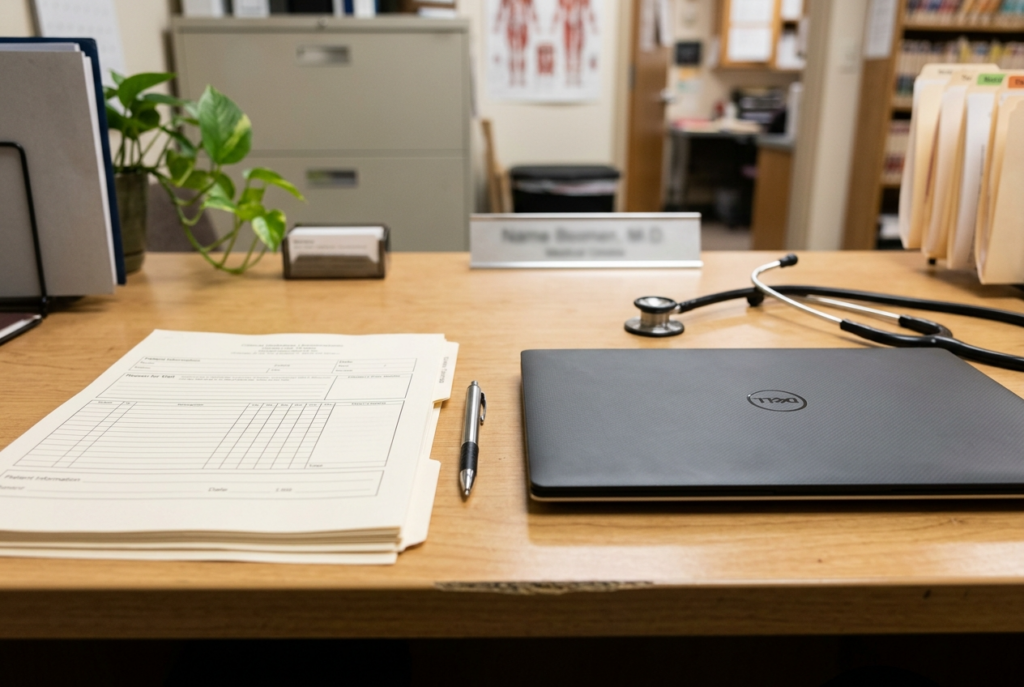
Patient handouts
GPs frequently send patients home with instructions — medication guidance, lifestyle advice, follow-up steps. Generating a patient handout directly from the clinical note, rather than writing it separately, saves time and improves consistency.
How Dorascribe Fits Into a GP Workflow
Dorascribe was built by a clinician who experienced the documentation burden directly. The platform is designed around the reality of fast-paced clinical practice, not a theoretical workflow.
For a GP using Dorascribe, a typical appointment works like this:
- Open the app and start a consult — takes seconds, no patient details required unless you want them
- See the patient as normal — Dorascribe captures the conversation in the background
- End the consult and tap generate — a structured draft note is ready within seconds
- Review, adjust if needed, and sign off — the note is finalised before the next patient is called
- Optionally generate a patient handout or referral letter from the same encounter
The whole process adds no meaningful time to the appointment and eliminates charting as a separate post-clinic task.
Dorascribe supports custom templates, so GPs can build the exact note structure they prefer. It handles multilingual consultations, works across desktop, tablet, and mobile, and is available on the App Store and Google Play.
What GPs Report After Switching
The feedback from GPs who have adopted AI-assisted documentation consistently points to the same outcomes:
- Charting is finished before the next patient, not at the end of the day
- Clinical notes are longer and more complete, because the AI captures detail that would previously have been left out under time pressure
- Evening and weekend documentation drops significantly
- Consultations feel less rushed, because the clinician is not mentally pre-composing the note while listening to the patient
That last point is significant. AI medical scribes don’t just save time after the appointment — they change what happens during it. When the clinician is not managing documentation mentally, more attention goes to the patient. That is the value that is hardest to quantify and most consistently reported.
Referral Letters and Follow-Up Documentation
GPs write more referral letters than almost any other specialty. When a patient needs specialist input, the referral letter needs to summarise the relevant history, explain the reason for referral, include recent results, and state clearly what the GP is asking the specialist to assess. AI-assisted referral drafting from reviewed clinical notes significantly reduces the time this takes.
Rather than opening the chart, pulling information, and rewriting it into a letter format, the clinician can generate a referral draft from the consultation note and edit it to final in a fraction of the usual time. For high-volume practices referring multiple patients per day, this compounds into meaningful time savings.
Common Questions From GPs
Will it work with my EMR?
Dorascribe integrates with major EMR systems and can be connected to your existing workflow so completed notes move into the record with minimal manual steps. For practices not yet integrated, notes can be copied directly from the Dorascribe interface.
What if the AI gets something wrong?
Every note is a draft that requires clinician review before it is finalised. The AI does not write directly to the chart. The clinician reviews, corrects if needed, and signs off — exactly as they would with any other documentation tool. Accuracy improves as the AI adapts to the clinician’s style and vocabulary.
What happens to the recording?
Dorascribe processes audio to generate the note and does not store raw recordings beyond what is needed for transcription. All processing is compliant with HIPAA, PIPEDA, POPIA, and GDPR. A Business Associate Agreement is available for all paid plans.
How long does it take to set up?
Most GPs are up and running within a single session. There is no complex installation or EMR configuration required to get started. Custom templates take a few minutes to set up and can be imported from an existing note file if you already have a preferred format.
Getting Started
Dorascribe offers a free trial with no credit card required — 50 transcripts per month, which is enough to test the tool across a range of appointment types and get a clear sense of how it performs in your specific workflow.
Paid plans for higher-volume practices start at $25 per user per month and include custom templates, priority support, patient handout generation, referral drafting, and the full Dora Evidence clinical decision support feature.
For practices that want to see the workflow in action before signing up, book a 30-minute demo with the Dorascribe team. The session is tailored to your practice setup and can include a live demonstration of custom templates.
Final Thoughts
General practice is where the documentation burden is most acute and where the gains from AI scribing are most immediate. The math is simple: 30 patients a day at five minutes of charting each is two and a half hours of documentation that could happen in the background instead of after clinic.
The right AI scribe for a GP practice is one that keeps pace with volume, handles clinical breadth accurately, produces notes in the format the clinician already uses, and works across the devices already in the clinic. It should add nothing to the appointment and eliminate the documentation tail that follows it.
For GPs who are still finishing notes after the last patient leaves, or whose evenings are shaped by charting they could not get done during the day, the tools to change that exist now and are within reach.